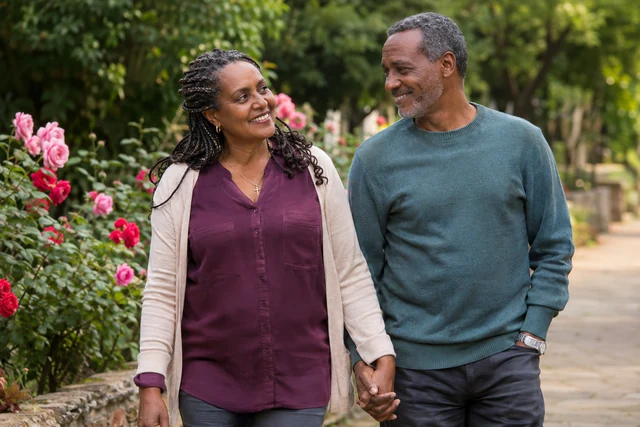
Dating after bereavement: companionship and readiness
Ethiopian dating for widows and widowers refers to the search for companionship, friendship or a new marriage by Ethiopian and Habesha adults whose spouse has died. It begins with a question that only the bereaved person can answer: am I ready? There is no fixed period after which grief is over, and no rule that says when a person should look for someone new.
Loss changes the way people think about love. A widow or widower often knows exactly what a good marriage looks like, and may therefore look for different things than a younger single: calm, shared faith, respect for the late spouse and understanding for the children and relatives who are part of the family. Others want no marriage at all, only company at the table and someone to attend a feast with.
Signs that you may be ready
Readiness is personal, but some signs are common. You can speak about your late spouse without being overwhelmed. You feel curious about other people. You imagine sharing a meal or a holiday with someone, without feeling that you betray the past. If you still feel raw, give yourself time. Nothing is lost by waiting, and a rushed relationship can add pain to grief.
Family, community and the question of respect
Marriage in Ethiopia merges two families, and parents and elders strongly influence decisions. A widow or widower may be asked to consider the views of the late spouse’s relatives, of the children and of the wider community. Local churches and mosques often help mobilise community support in hardship, so a bereaved person may be closely surrounded by neighbours and fellow worshippers who care about their choices.
This closeness can be a comfort or a pressure. Speak to the people who matter most before you speak to anyone else. Tell grown children early, in your own words, instead of letting them hear from others. Explain that a new friendship does not erase their parent. Listen to concerns, and remember that you are an adult who may decide for yourself.
Customs of introduction
In the traditional route to marriage, elders sent by the groom visit the bride’s family. This is shimagile, and the elders usually include a priest, a mutual friend and a respected community member. They state their purpose and describe the groom’s qualities and family. The bride’s parents ask about his occupation, religion and habits, and approval is rarely instant. Customs differ between ethnic groups, and a widow with her own home and independent family may handle introductions in a more informal way. Ask your family which form they prefer.
Legal points for a second marriage
Civil, religious and customary marriage are all recognised under Ethiopian law. The Revised Family Code requires the free and full consent of both spouses, sets the minimum age at 18 and requires that every marriage be registered, whatever its form. A woman may not remarry until 180 days after her previous marriage ends, with listed exceptions. A civil marriage requires notice at least one month ahead and two witnesses per spouse.
Bigamy is prohibited, and certain close relatives and in-laws may not marry each other. If you are in a country other than Ethiopia, ask the local civil registry which documents are needed, such as a death certificate for the late spouse. A solicitor, notary or the office that registers marriages can explain the steps.
Property and children
Ask a lawyer before the wedding about property and about any rights your children may have, since a new marriage can affect them. The rules differ from country to country, and the advice you receive should come from someone who knows the law where you live. Many families find that an open conversation with the children before the wedding prevents conflict later.
Faith traditions and remarriage
For many bereaved people, faith is a source of strength. Among Orthodox Ethiopians, church life shapes the year: Wednesday and Friday are fast days, Lent lasts 55 days, and weddings are held in church early in the morning with three priests. Orthodox weddings are especially common after Dagme Tensae, the Sunday after Easter. A widow or widower who wishes to marry in church should speak to their priest about the steps, as it is the church that decides how its rites apply.
Among Muslims, marriage is a contract called nikah, based on offer and acceptance, with the free consent of both parties, two adult witnesses and a public announcement. The groom gives the bride a gift called mahr, which may be cash, property or goods. Protestant singles belong to churches such as Kale Heywet and Mekane Yesus, and non-Orthodox church weddings usually start around 10 or 11 in the morning. In every tradition, the religious leader of your own community is the right person to ask about their rules.
Shared faith as a starting point
Choosing a partner of the same faith simplifies many questions. Marriages across ethnic groups are relatively common in Ethiopia, but interfaith marriages are generally rare. If you meet someone of another tradition, talk about festivals, food and the way you wish to be buried or remembered. These are weighty subjects, and a person who has lost a spouse often has clear views.
Ethiopian dating for widows and widowers on apps and websites
Online dating can feel strange after many years of marriage. A few practical choices make it easier. Gojo Ethiopian Dating, published by FetaTech, is built for Habesha singles and lets you filter by location, age and religion. EthiopianPersonals welcomes adults who are single or separated, and free members can create profiles, search, show interest and read messages sent by premium members. ChristianCafe is intended for single Christian adults who are never married, divorced or widowed, which makes it a natural choice for a Christian who has lost a spouse.
Muzz is a marriage app for Muslims, and it requires selfie verification and accepts a chaperone chat option. Bumble allows free basic matching and messaging, and Facebook Dating is free for adults with a Facebook account. Check the current price of any paid plan in the app store, as plans change.
Writing an honest profile
Say that you are widowed, if you wish, in a single sentence, and then say what you look for. Avoid long descriptions of your loss. A recent photograph, a clear line about faith and a mention of family are enough. Use titles such as Ato or Woizero when you write to someone older, until they invite you to use first names.
Staying safe when you are lonely
Scammers target people who have lost a partner. Get Safe Online warns that profiles built to win sympathy, such as claims of being recently widowed, deserve extra care. The FTC describes the usual pattern: a fake profile, frequent chats to build trust, a push to move to another messaging app and then a request for money for medical bills, travel, visas or fees. Declarations of love within days or weeks are a red flag.
Gift cards, cryptocurrency and money should never be sent to somebody you have not met in person. Do not transfer money for another person. Run a reverse image search on photographs and ask for a video call. If the person always has a reason not to meet or video chat, treat it as a warning sign. Tell a friend or relative about the new contact, because secrecy is a feature of scams.
Reporting and recovering
If you are deceived, stop all contact, change passwords and call your bank at once. Report to the platform and to the authority in your country: the FTC or the FBI’s IC3 in the United States, Action Fraud in the United Kingdom, the Canadian Anti-Fraud Centre in Canada, or Scamwatch in Australia. Embarrassment keeps many victims silent, but reporting protects others.
First meetings and gradual steps
Your own transport should be arranged, and the first meeting should take place in a public place. A short coffee is enough. Insisting on splitting the bill is discouraged, as the one who extended the invitation is expected to pay. If you are invited to a home, bring food, remove your shoes and plan to stay for the whole coffee ceremony, which takes at least an hour.
Move at a pace that suits both of you. Premarital sex carries a strong stigma in Ethiopia, especially for women, and many bereaved people prefer to keep a clear boundary until marriage. Say what you want, listen to the answer and stop if you feel pressed.
Remembering the one you lost
A new relationship does not require you to put away photographs or stop marking anniversaries. A good partner will make room for your memories. Observe how they speak about your late spouse, and how they treat your children and your relatives. Respect in these moments is the best evidence of how they will treat you.